MoU with NRDC at International Symposium on Technology Transfer
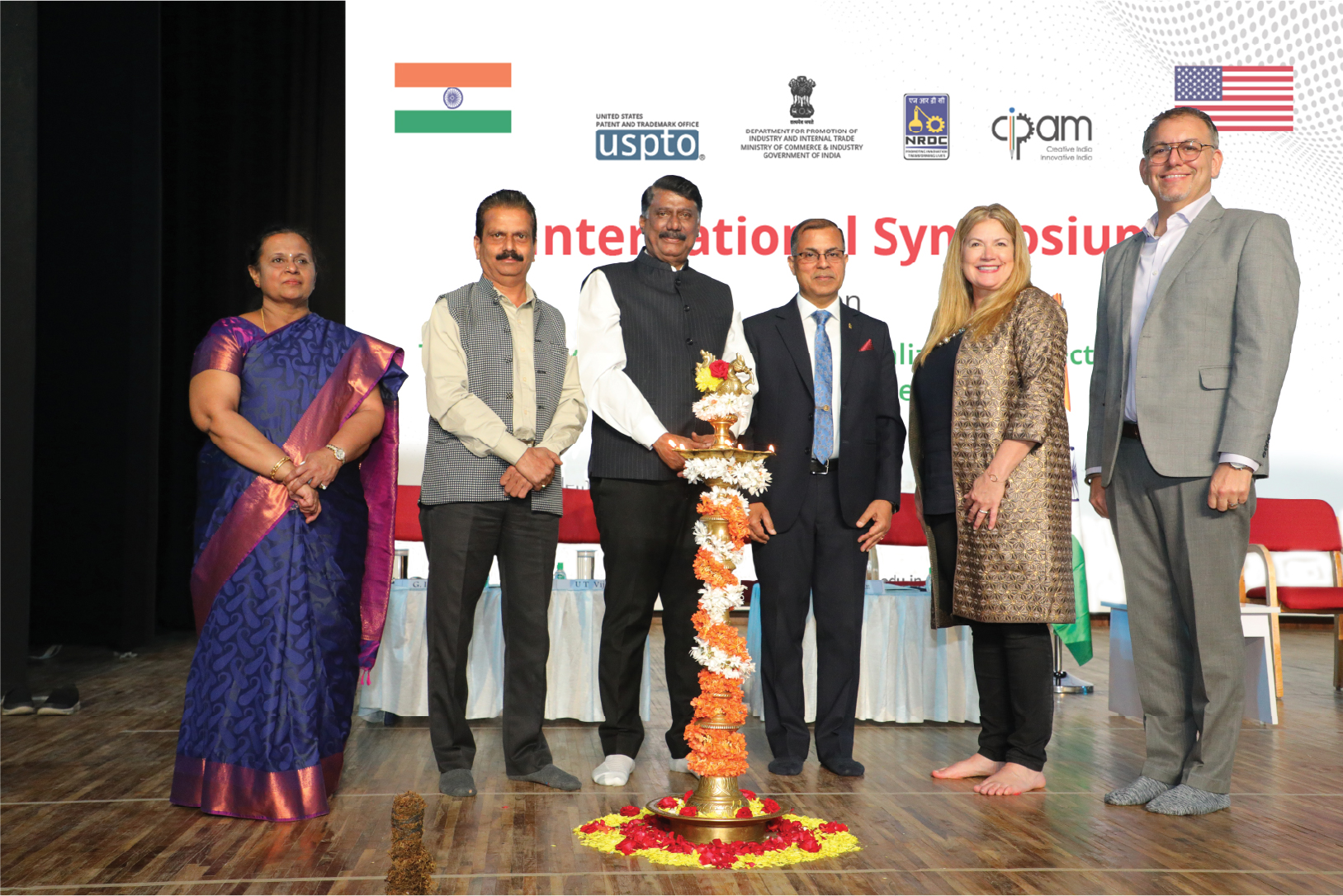
Cambridge Institute of Technology proudly achieved a major milestone by signing a Memorandum of Understanding (MoU) with the National Research Development Corporation (NRDC) during the International Symposium on Technology Transfer, organized in collaboration with NRDC and the United States Patent & Trademark Office (USPTO). This prestigious event marked a significant step toward strengthening innovation ecosystems, intellectual property awareness, and technology commercialization initiatives at CIT. The symposium was graced by distinguished dignitaries including Mr. Christopher W. Hodges, U.S. Consul General in Chennai; Dr. U. T. Vijay, Executive Secretary, KSCST, Government of Karnataka; Commodore Amit Rastogi (Retd), CMD, NRDC, DSIR, Ministry of Science & Technology, Government of India; Ms. Kathi Vidal, U.S. Under Secretary of Commerce for Intellectual Property and Director, USPTO; and Mr. John Cabeca, U.S. IP Counselor for South Asia, USPTO.
The MoU signing reflects Cambridge Institute of Technology’s strategic commitment to fostering research-driven innovation, strengthening intellectual property frameworks, and promoting technology transfer from academia to industry. Through this collaboration with NRDC, CIT aims to support faculty and student innovators in patent filing, commercialization of research outcomes, startup incubation, and industry partnerships. The symposium provided a powerful platform for discussions on global best practices in IP management, innovation policies, and collaborative research, enabling participants to gain valuable insights into transforming ideas into impactful technologies.
Institutional leadership and faculty members actively engaged with the delegates, exploring opportunities for joint research initiatives, capacity-building programs, and entrepreneurship development. Students benefited immensely from exposure to international perspectives on intellectual property rights, innovation management, and commercialization pathways. The event reinforced CIT’s focus on nurturing an innovation-led academic environment while equipping learners with the knowledge and tools required to translate research into real-world solutions.
Overall, the MoU with NRDC stands as a landmark achievement in Cambridge Institute of Technology’s journey toward becoming a hub for research, innovation, and technology transfer. It reaffirms the institution’s mission to empower future engineers and innovators with industry-relevant skills, global exposure, and entrepreneurial mindsets. The International Symposium on Technology Transfer left a lasting impact on the CIT community, strengthening its resolve to contribute meaningfully to India’s innovation ecosystem and global technological advancement.